

Why the middle east conflict is a reminder that businesses cannot rely entirely on the global energy system
11/03/2026
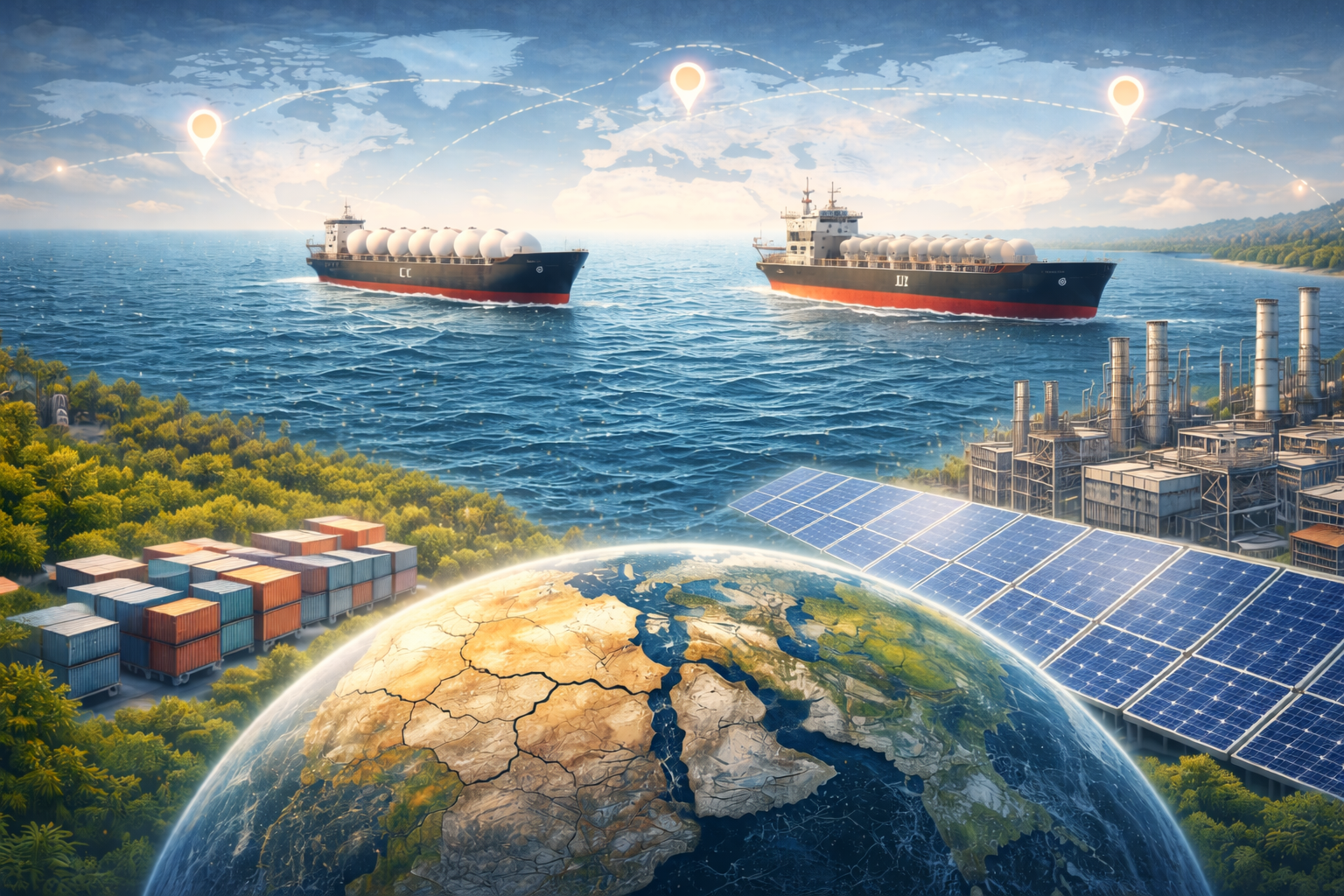
The latest escalation of conflict in the Middle East has once again reminded the world how fragile global energy markets can be. Tensions in a region that sits at the centre of global oil production have triggered immediate reactions across commodity markets, sending oil prices higher and raising concerns about the stability of global energy supply.
For many businesses, however, the connection between these geopolitical events and their own electricity costs is not always obvious at first. Electricity appears to be a stable utility that simply arrives through the grid. Yet behind that electricity lies a complex global system involving fuel production, international trade routes, commodity markets, and power generation infrastructure.
When instability disrupts any part of that system, the effects eventually travel downstream. What begins as geopolitical tension in one region of the world can ultimately influence electricity prices for businesses operating thousands of kilometres away.
In an increasingly unpredictable world, energy resilience is no longer just an environmental discussion. It is becoming a core business strategy.
The middle east remains one of the most critical centres of global energy supply
Despite decades of diversification in energy production, the Middle East still holds enormous influence over global oil markets. Several of the world's largest oil producing nations operate in this region, and a substantial share of international oil shipments travels through a narrow maritime corridor known as the Strait of Hormuz.
According to the International Energy Agency, nearly 20 percent of global oil supply moves through the Strait of Hormuz, making it one of the most important energy chokepoints in the world. Disruptions or threats to this corridor immediately trigger reactions across global energy markets because even a small interruption in supply can push prices higher.
Because such a large portion of the world’s energy supply depends on this corridor, even the possibility of disruption is enough to trigger reactions across energy markets. Traders anticipate potential shortages, shipping insurers raise premiums, and oil prices begin to rise as markets price in risk.
These reactions are not theoretical. They have been observed repeatedly over the past decades whenever tensions escalate in the region. The global energy system remains highly sensitive to instability in areas where large volumes of fuel are produced or transported.
Global fuel price volatility inevitably flows into electricity markets
Although electricity is produced in different ways across different countries, fossil fuels still play a dominant role in global power generation. Natural gas, coal, and oil remain central components of the global energy mix, which means fluctuations in fuel prices eventually influence the cost of producing electricity.
When geopolitical tensions push oil prices higher, the broader energy market often follows. Gas markets respond to shifting supply expectations, power producers face higher fuel costs, and electricity markets gradually adjust to reflect those changes.
Energy analysts regularly observe that periods of geopolitical instability are often accompanied by increased volatility in electricity prices. Reuters has reported that market analysts are closely monitoring current tensions in the Middle East because prolonged instability could tighten energy supply and push prices higher across multiple energy markets.
For businesses that rely heavily on electricity, these shifts can translate into rising operating expenses and less predictable energy budgeting.
Relying entirely on grid electricity exposes businesses to external energy shocks
Many organisations treat electricity as a fixed operational cost. The assumption is that electricity will always be available and that price fluctuations will remain relatively manageable. In reality, electricity pricing is influenced by a global energy ecosystem that businesses do not control.
The International Energy Agency has consistently highlighted geopolitical instability as one of the largest risks to global energy security because fossil fuel production remains concentrated in relatively few regions. When instability appears in those regions, energy markets respond rapidly.
For companies that depend entirely on grid electricity, this creates an unavoidable exposure to global energy shocks. Events such as conflicts, supply disruptions, extreme weather, or fuel shortages can all influence electricity prices.
While individual businesses cannot control these global dynamics, they can reduce their exposure to them by changing how they source and manage their energy.
Renewable energy is shifting how organisations think about energy resilience
Over the past decade, renewable energy has gained global momentum primarily because of its environmental benefits. Solar panels, wind energy, and other clean technologies have become central to sustainability strategies and climate commitments.
However, another advantage of renewable energy is becoming increasingly important. It allows organisations to reduce their reliance on volatile global fuel markets.
Solar energy, in particular, operates independently from fossil fuel supply chains. Once a solar system is installed, electricity is generated directly from sunlight rather than from imported fuels or international energy markets.
This means that the cost of generating solar electricity is largely insulated from geopolitical events, fuel price spikes, or supply disruptions.
The International Energy Agency notes that solar power has become the fastest growing source of electricity generation worldwide due to its declining costs and scalability.
For businesses facing increasing energy uncertainty, this shift represents a meaningful opportunity to stabilise part of their long term energy supply.
Battery storage strengthens the stability of solar energy systems
While solar panels generate electricity during daylight hours, battery energy storage systems add flexibility to how that energy is used. Batteries allow organisations to store excess solar electricity and deploy it when energy demand increases or when electricity prices peak.
This capability enables businesses to manage their energy consumption more strategically. Instead of drawing electricity from the grid during expensive peak periods, they can rely on stored solar energy.
Battery storage therefore acts as a bridge between energy generation and energy demand. It allows companies to maximise the value of solar energy while improving overall energy resilience.
Together, solar generation and battery storage create a more balanced energy system in which a portion of electricity supply is controlled directly by the organisation rather than by external energy markets.
Global uncertainty is accelerating the shift toward distributed renewable energy
The current geopolitical tensions in the Middle East are only the latest example of how quickly global energy markets can react to instability. Similar disruptions have occurred in the past due to conflicts, trade disputes, and supply chain challenges.
Each of these events reinforces the same lesson. Energy systems that depend entirely on external fuel supply are inherently vulnerable to global shocks.
This is why many businesses are now investing in distributed renewable energy systems that allow them to generate electricity closer to where it is consumed. Rooftop solar installations combined with battery storage enable organisations to diversify their energy sources and reduce their exposure to external volatility.
This shift does not eliminate the need for grid electricity, but it introduces an additional layer of stability that can significantly improve long term energy resilience.
Building a more resilient and sustainable energy strategy
The global energy landscape is entering a period of increasing uncertainty. Geopolitical tensions, supply disruptions, and climate policies will continue to reshape how energy is produced, traded, and consumed.
For businesses that want greater stability, relying entirely on traditional energy supply may no longer be the most resilient approach. Investing in renewable energy infrastructure such as solar panels and battery storage allows organisations to build a more balanced and reliable energy strategy.
At Vector Green, we work with commercial and industrial organisations as a sustainability and energy management advisory partner, helping businesses navigate the increasingly complex landscape of energy costs, decarbonisation, and regulatory expectations. Our role is to help organisations understand where their energy risks lie, identify practical opportunities to improve efficiency and resilience, and develop long term strategies that support both sustainability and business performance.
With a proven track record across the region, Vector Green supports organisations from strategy through implementation, helping them transition toward a more resilient and sustainable energy future.
In a world where global events can influence energy prices almost overnight, taking a structured and proactive approach to sustainability and energy management is no longer optional. It has become a practical step toward protecting long term business stability.
energy and assets
