

Renewable energy solutions for businesses
Plan and harness solar PV systems, battery energy storage, and microgrids to bring green energy into your business seamlessly
Trusted by leaders



















Smarter energy with Battery Storage, Demand Response & Demand Side Management
VG Renewables’ BESS stores energy from the grid or on-site renewables and supplies it when demand rises. Combined with Demand Response and Demand Side Management, it improves efficiency, cuts costs and supports grid stability.
How it transforms your operations

Multiple supply sources
Electricity is sourced from the national grid during off-peak hours, your own renewable generation such as solar or wind, and backup power systems when needed.
Store & release
Excess or off-peak electricity is stored in BESS and discharged when demand spikes.

Respond smartly
Through DR, your system automatically reduces or shifts consumption during peak grid times.

Manage continuously
DSM tools analyse your load patterns and optimise energy use across facilities.
What we offer
End-to-End Delivery
From system design and hardware integration to installation, commissioning, and platform integration, we manage the full BESS lifecycle.
Zero CAPEX Model
In partnership with technology and asset providers, we offer no-upfront-cost deployment models, reducing financial risk for building owners.
Managed Participation
We and our partners handle regulatory submission and DR bidding, while building owners enjoy rewards based on agreed commercial terms with minimal administrative burden.
Platform-Ready Integration
Our BESS systems connect seamlessly with carbon tracking, energy analytics, and utility billing platforms to enable long-term value and ESG reporting.
Scalable & Customisable
Whether for a single commercial tower or a large mixed-use campus, our BESS solutions are adaptable to varied load shapes and market demands.
Why it matters for your business

Lower energy costs
Reduce peak demand charges and shift usage to cheaper off-peak electricity.

Resilient operations
Keep your business running with reliable backup during outages or grid instability.

Operational efficiency
Gain real-time insights and control over energy use to optimise performance.
Hear what our customers say

 DBS achieves smarter energy management and greater operational
efficiency across its facilities with VG Core
DBS achieves smarter energy management and greater operational
efficiency across its facilities with VG Core
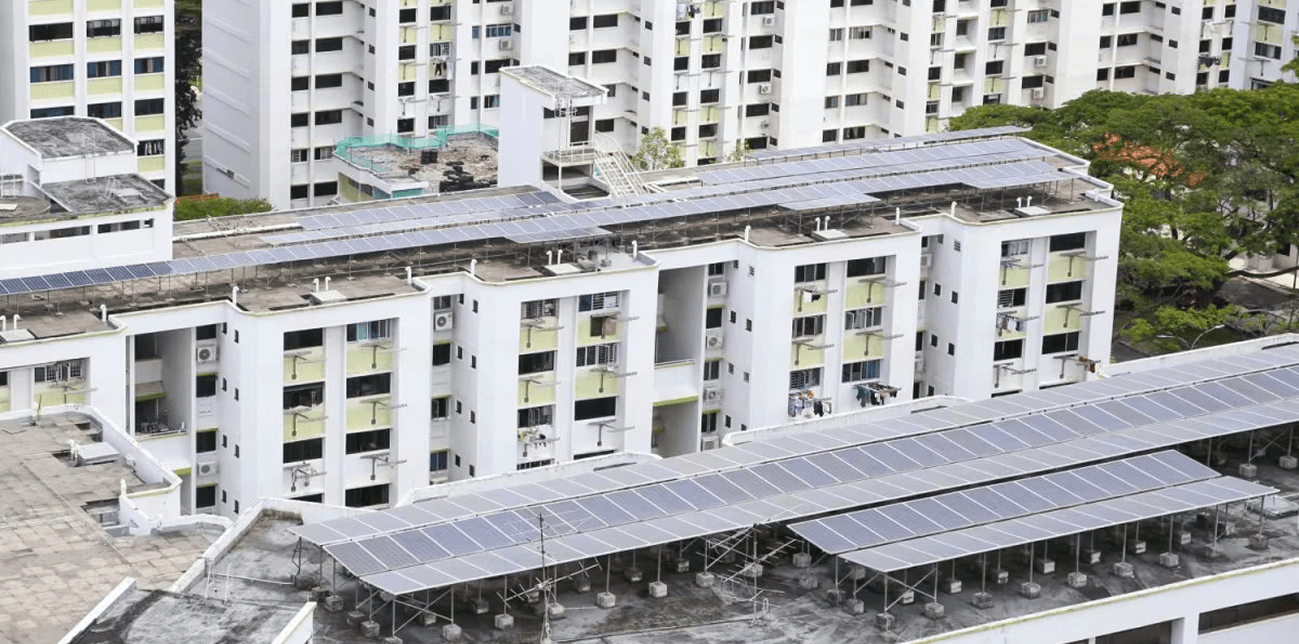
 Delivering VG Renewables Solar PV solutions for Singapore's Public
Housing under Solar Nova 4,5,7 and 8
Delivering VG Renewables Solar PV solutions for Singapore's Public
Housing under Solar Nova 4,5,7 and 8

 With VG Core, Sungei Tengah Lodge delivers smarter, more efficient,
and more sustainable operations
With VG Core, Sungei Tengah Lodge delivers smarter, more efficient,
and more sustainable operations
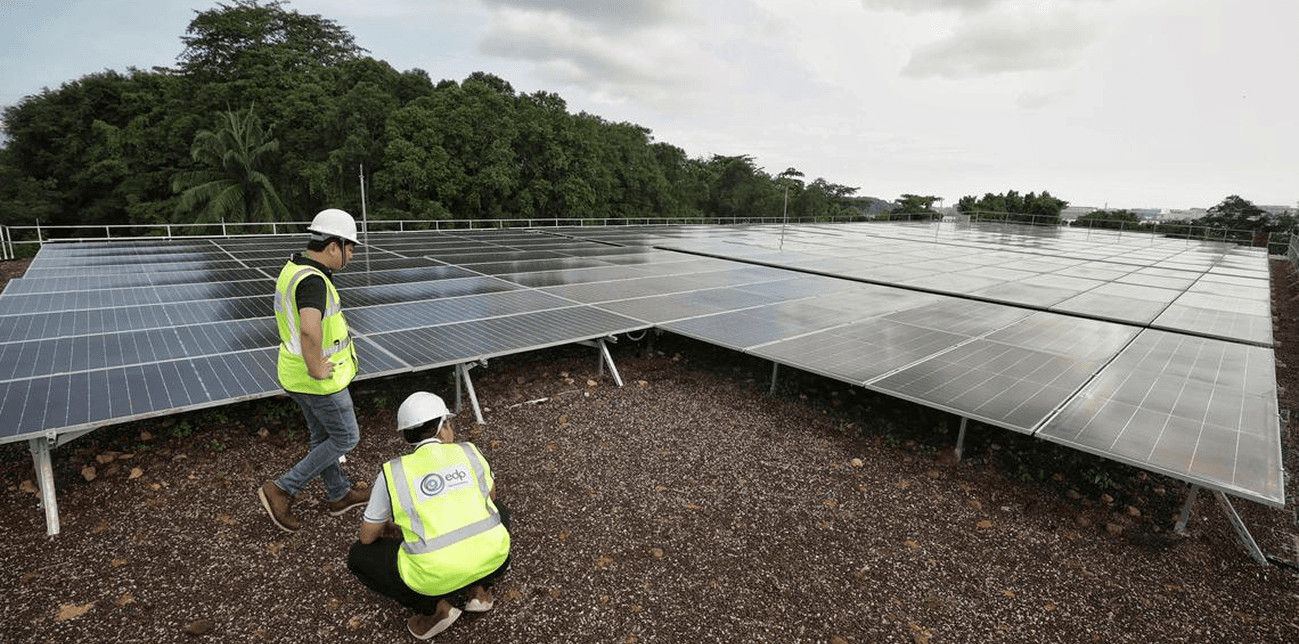
 Pulau Ubin’s transition to resilient and sustainable energy through the VG Renewables microgrid solution
BESS FAQs
A Battery Energy Storage System (BESS) stores electricity for use when it is needed most. Businesses can use stored energy to reduce peak electricity demand, improve energy resilience, and maximise the value of renewable energy such as solar PV.
Battery energy storage helps businesses reduce peak demand charges, increase the use of self-generated solar energy, improve energy resilience during power disruptions, and optimise overall energy costs.
No. A battery energy storage system can operate independently or alongside a solar PV system. When paired with solar, it stores excess solar energy generated during the day for use when electricity demand is higher or solar generation is unavailable.
Battery storage is ideal for businesses with high electricity consumption, demand charges, renewable energy systems, or critical operations that require a reliable and resilient power supply. A feasibility assessment helps determine the right battery capacity for your energy needs.
The right battery energy storage system depends on your electricity consumption patterns, peak demand charges, backup power requirements, and whether it will be paired with solar. A feasibility assessment evaluates these factors to recommend the appropriate battery capacity and configuration for your business.

Looking for a clearer path to smarter energy management?
We help you bring data, strategy, and execution together in one unified approach.
