

Energy optimisation solutions for commercial & industrial buildings
Reduce energy costs and improve building performance with intelligent, retrofit-friendly energy-saving technologies
Trusted by leaders



















AI-powered energy and operations optimisation
VG Optima AI HVAC optimisation uses real-time data to optimise energy and facility operations. The AI-powered solution drives cost savings, improves reliability, and enables scalable sustainability across multiple sites.
Smarter systems, Seamless control
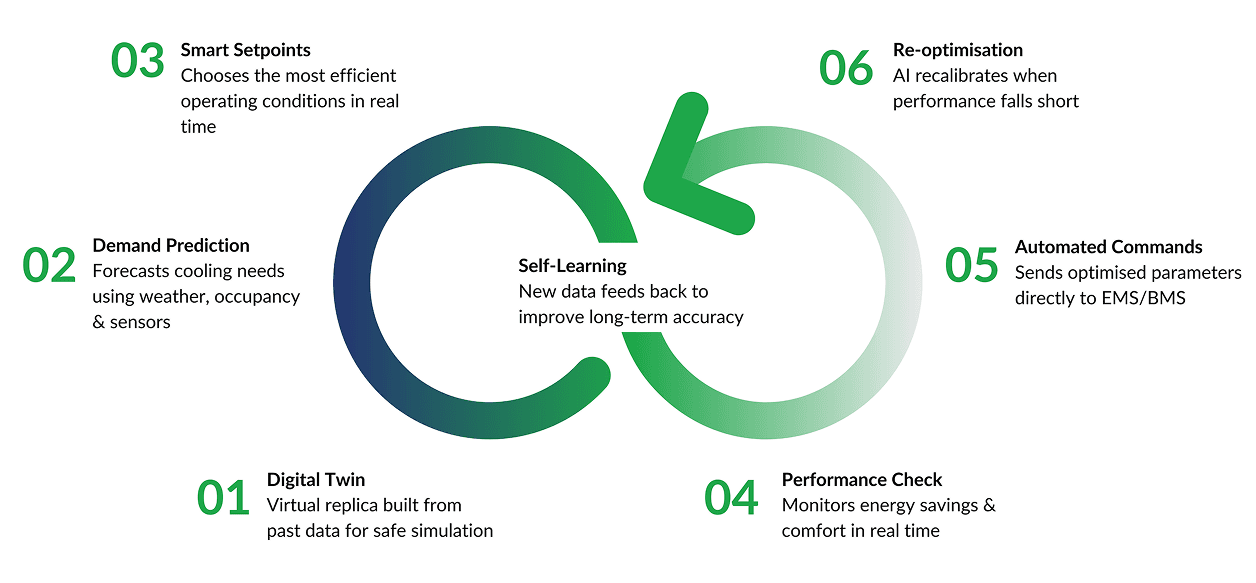
Driving efficiency, reliability, and growth

Lower operating costs
Cut energy use and reduce maintenance expenses through data-driven efficiency.

Comfort that drives performance
Deliver consistent comfort for occupants while optimising building performance and energy efficiency.

Scalable sustainability
Gain centralised visibility and consistent control across facilities, supporting growth and long-term ESG goals.
Reduce operational energy costs without major upfront investment
Eligible SMEs may qualify for Enterprise Development Grant (EDG) support for energy optimisation and sustainability projects, while businesses exploring larger-scale initiatives can also access zero-CAPEX financing solutions through Vector Green’s financing partners.
Hear what our customers say
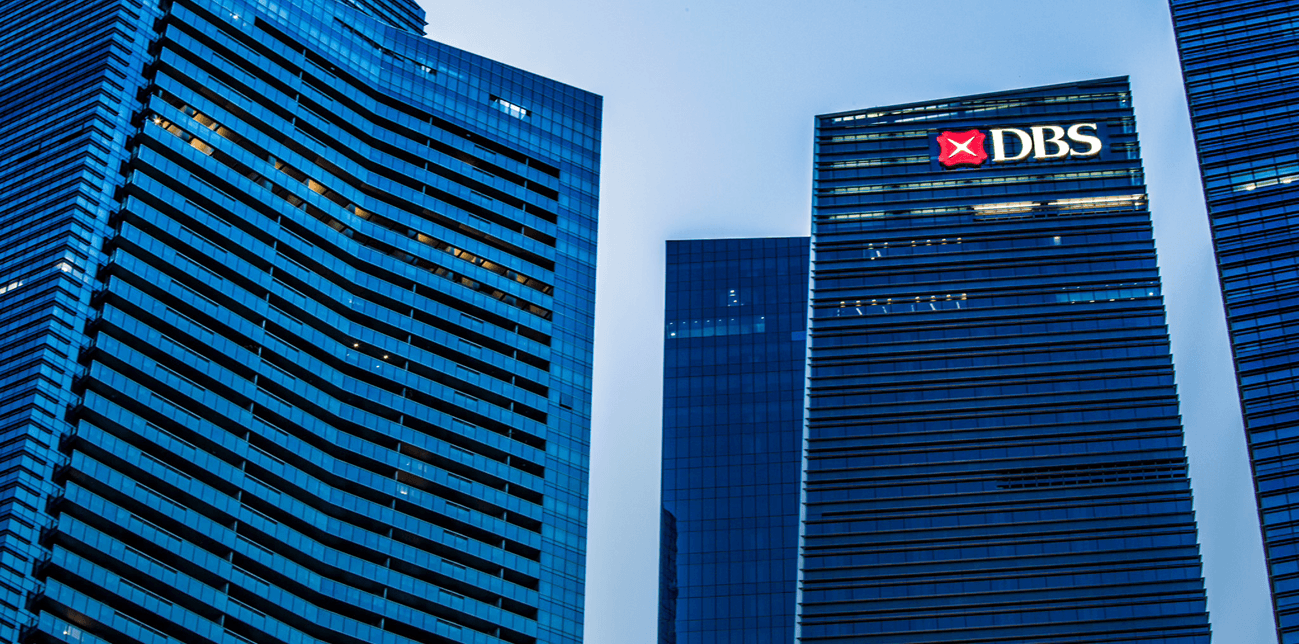
 DBS achieves smarter energy management and greater operational
efficiency across its facilities with VG Core
DBS achieves smarter energy management and greater operational
efficiency across its facilities with VG Core
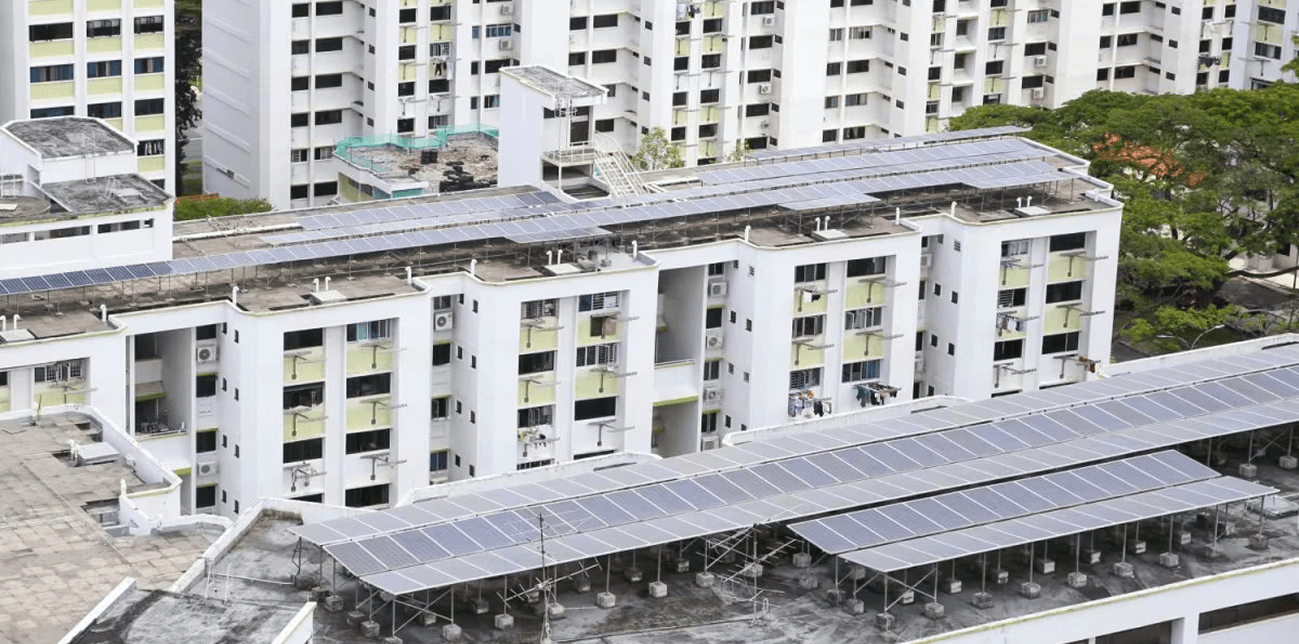
 Delivering VG Renewables Solar PV solutions for Singapore's Public
Housing under Solar Nova 4,5,7 and 8
Delivering VG Renewables Solar PV solutions for Singapore's Public
Housing under Solar Nova 4,5,7 and 8
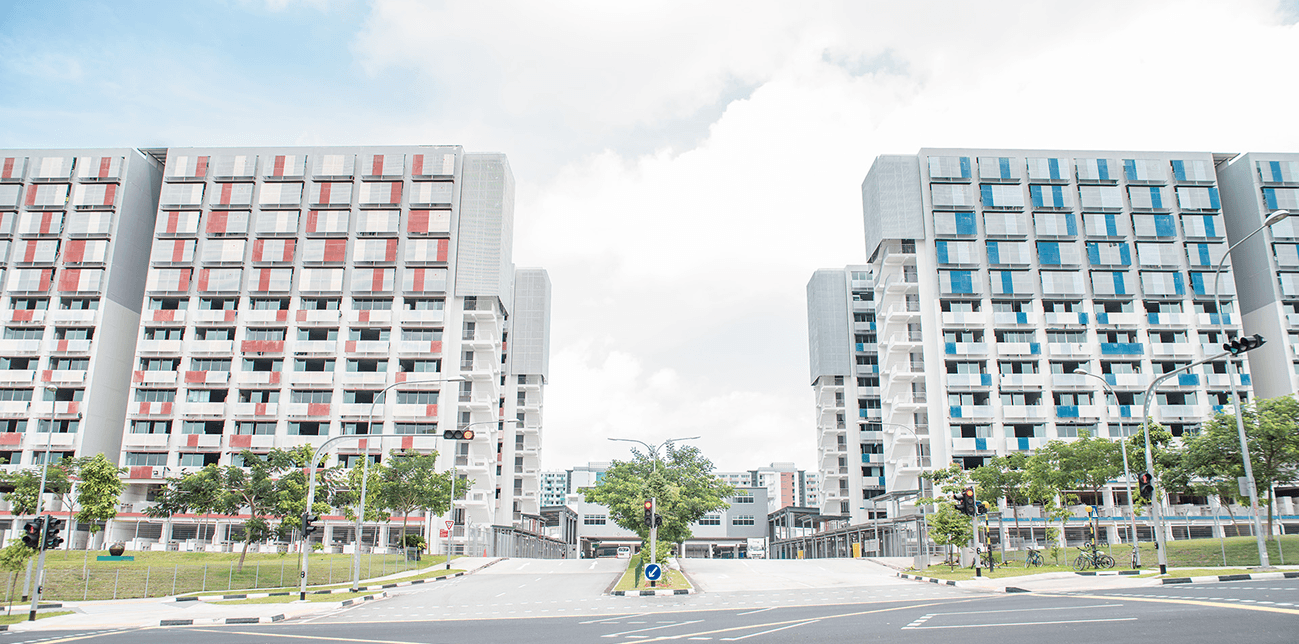
 With VG Core, Sungei Tengah Lodge delivers smarter, more efficient,
and more sustainable operations
With VG Core, Sungei Tengah Lodge delivers smarter, more efficient,
and more sustainable operations
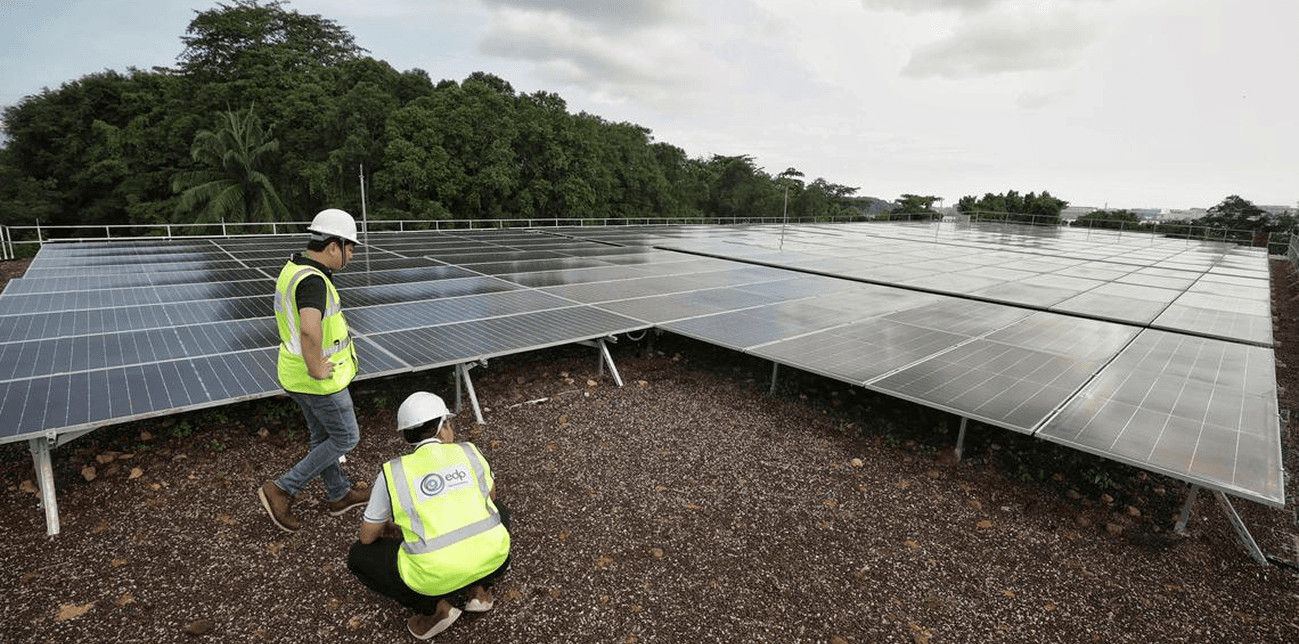
 Pulau Ubin’s transition to resilient and sustainable energy through the VG Renewables microgrid solution
AI HVAC Optimisation FAQs
AI HVAC optimisation uses artificial intelligence and machine learning to continuously analyse historical and real-time operational data from your chiller plant and building systems. It predicts cooling demand and automatically adjusts operating parameters to optimise energy efficiency while maintaining occupant comfort.
Traditional BMS control relies on predefined rules and manually configured setpoints. Our solution continuously learns from operating conditions, predicts cooling demand, and automatically adjusts system parameters in real time. This enables system-wide optimisation that improves efficiency beyond conventional control strategies.
Yes. The solution integrates with existing Building Management Systems (BMS), Energy Management Systems (EMS), and connected IoT devices without requiring a complete system replacement. It uses existing operational data to optimise central chiller plant performance while preserving your current infrastructure.
The solution is designed for centralised chilled water systems in commercial and industrial buildings, including chillers, cooling towers, chilled water pumps, air handling units (AHUs), fan coil units (FCUs), variable air volume (VAV) systems, and other connected HVAC equipment.
The system continuously analyses live operating data, chiller loading, chilled water temperatures, ambient conditions, and occupancy patterns, to predict cooling demand ahead of time. It then automatically fine-tunes setpoints and equipment sequencing across the chiller plant, reducing unnecessary compressor cycling, optimising pump and cooling tower operation, and avoiding the energy waste that comes from fixed, rule-based control.

What if small adjustments could deliver real savings?
See how AI-powered optimisation turns operational data into measurable performance gains.
